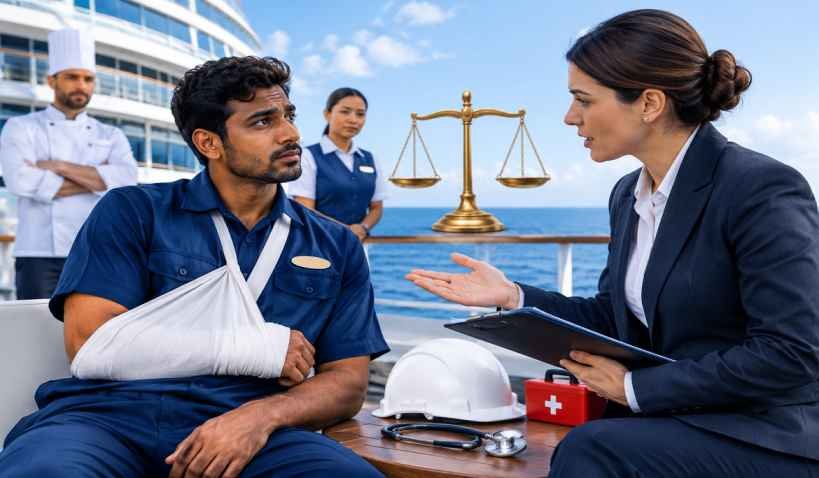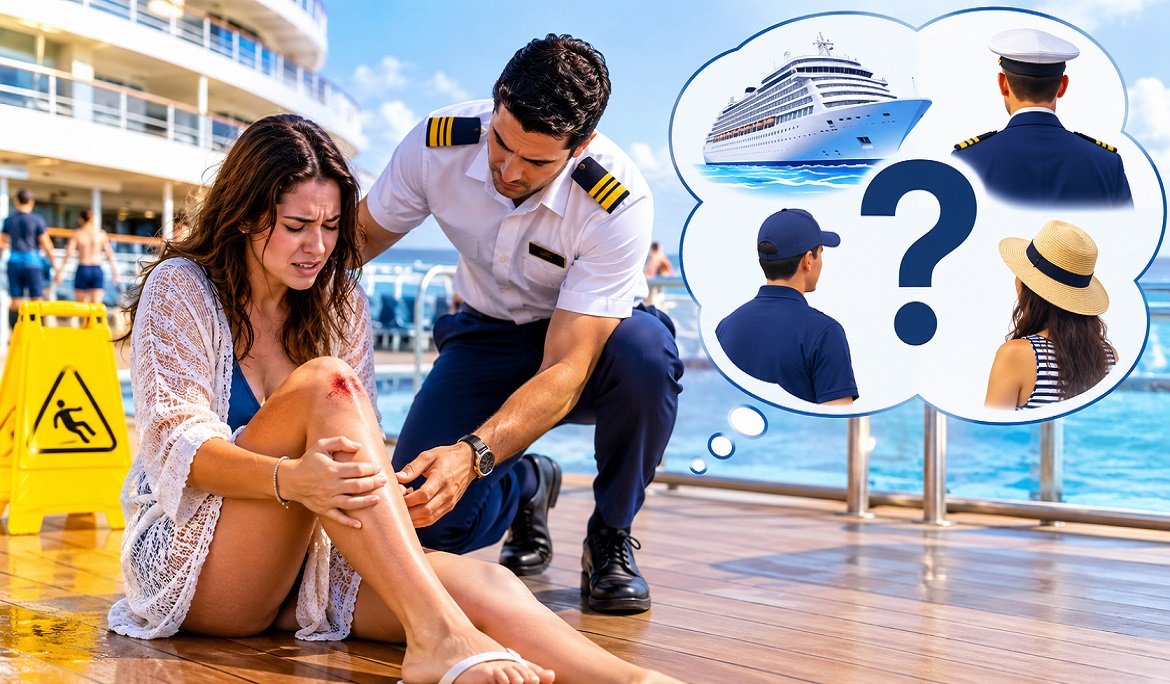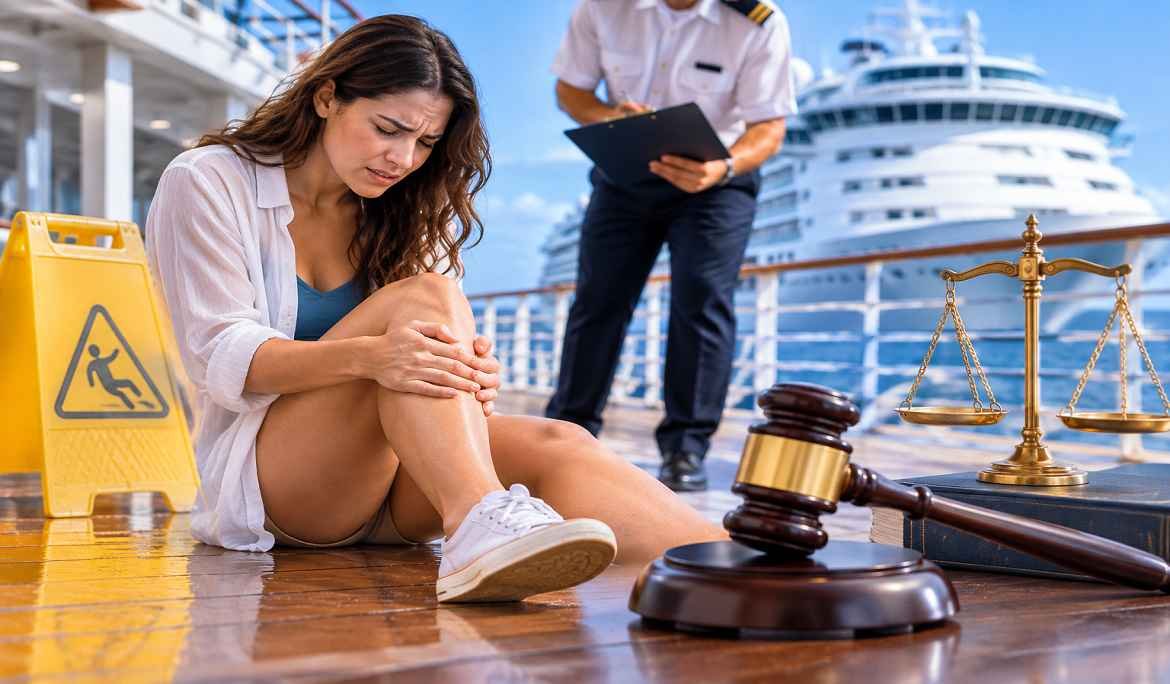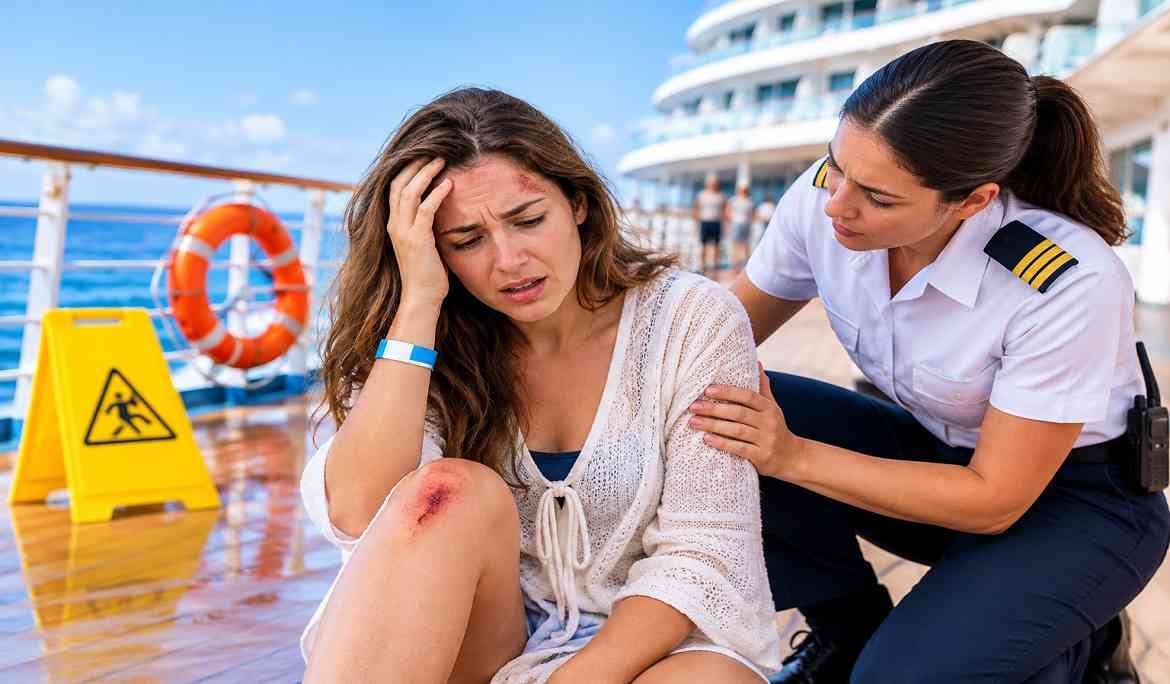
Cruise vacations let passengers enjoy exciting activities, explore new destinations, and relax while traveling across the ocean. From swimming pools and water slides to rock-climbing walls, fitness centers, zip lines, and shore excursions, cruise ships offer a wide range of recreational experiences. However, these activities can sometimes result in unexpected injuries. When an accident occurs, passengers may wonder who is responsible for their medical expenses, physical pain, and other losses.
Understanding who is responsible for injuries during cruise ship activities? It requires examining the circumstances surrounding the accident, the parties involved, and whether negligence contributed to the incident. Depending on the situation, responsibility may fall on the cruise line, an activity operator, an excursion company, or another party.
Understanding Liability for Cruise Ship Activity Injuries
Cruise lines must take reasonable steps to protect passengers from foreseeable risks while they are onboard. This includes maintaining recreational facilities, providing appropriate safety equipment, inspecting activity areas, and ensuring that employees follow established safety procedures.
However, cruise lines are not automatically responsible for every accident. Liability generally depends on whether the responsible party owed a duty of care, breached that duty, and caused an injury resulting in damages.
When Can a Cruise Line Be Held Responsible?
Cruise lines may be held accountable when their negligence contributes to an accident during onboard recreational activities. Several circumstances can establish potential liability.
1. Poor Maintenance of Recreational Facilities
Cruise operators must take reasonable measures to maintain facilities used by passengers. Broken railings, slippery surfaces, damaged pool ladders, defective exercise equipment, and poorly maintained activity areas can create preventable hazards.
If the cruise line knew or reasonably should have known about a dangerous condition but failed to address it, it may be responsible for resulting injuries.
2. Inadequate Safety Instructions
Certain cruise activities involve physical risks. Rock climbing, surfing simulators, zip lines, and water sports require proper instructions and safety precautions.
When passengers are not given appropriate guidance, protective equipment, or warnings about foreseeable dangers, the cruise line or activity operator may be liable for injuries caused by these failures.
3. Negligent Employee Supervision
Cruise ship employees and activity instructors play an important role in passenger safety. Insufficient supervision, improper equipment handling, or failure to enforce safety rules can contribute to serious accidents.
For instance, if an instructor allows an activity to proceed despite unsafe conditions, their employer may potentially face liability.
Are Third-Party Activity Operators Responsible?
Not every recreational activity offered during a cruise is operated directly by the cruise line. Some activities, particularly shore excursions and adventure experiences, are managed by independent contractors.
These operators may be responsible for injuries resulting from their own negligence. For example, a snorkeling company may fail to provide suitable safety equipment, or a zip-line operator may neglect necessary equipment inspections.
Determining who is responsible for injuries during cruise ship activities? It becomes more complicated when independent contractors are involved. Liability may depend on the contractual relationship, the operator’s conduct, and whether the cruise line independently contributed to the unsafe conditions.
Importantly, a cruise line’s use of a third-party operator does not automatically eliminate every possible responsibility it may have toward passengers.
What Should You Do After a Cruise Ship Activity Injury?
Taking appropriate steps immediately after an accident can help protect your health and preserve important evidence.
Consider the following actions:
- Seek medical attention: Report your injury to the ship’s medical staff and obtain appropriate treatment. Request copies of medical records and treatment documentation.
- Report the incident: Notify the cruise ship’s management or guest services and request an official incident report.
- Document the accident scene: Photograph the equipment, surrounding conditions, warning signs, and visible injuries, if possible.
- Collect witness information: Obtain contact details from passengers or employees who witnessed the incident.
- Preserve relevant documents: Keep excursion tickets, activity agreements, medical bills, receipts, and any communication with the cruise line.
- Consult a maritime attorney: Seek legal guidance before accepting a settlement or signing additional documents.
These steps can help establish what happened and identify the parties whose actions may have contributed to the accident.
Speak With The Michael Brady Lynch Firm About Your Cruise Ship Injury
A cruise vacation should be an opportunity to relax and enjoy new experiences, not deal with the consequences of preventable accidents. When negligence leads to an injury, understanding who is responsible for injuries during cruise ship activities is an important step toward protecting your legal rights.
The Michael Brady Lynch Firm can help injured passengers understand their potential legal options, evaluate the circumstances surrounding an accident, and determine which parties may be held accountable. If you or someone you love has suffered an injury during a cruise ship activity, consider seeking legal guidance to understand your rights and available options.
Don’t assume an accident is simply an unavoidable part of cruising. The right legal guidance can help you take informed steps toward accountability and potential compensation.