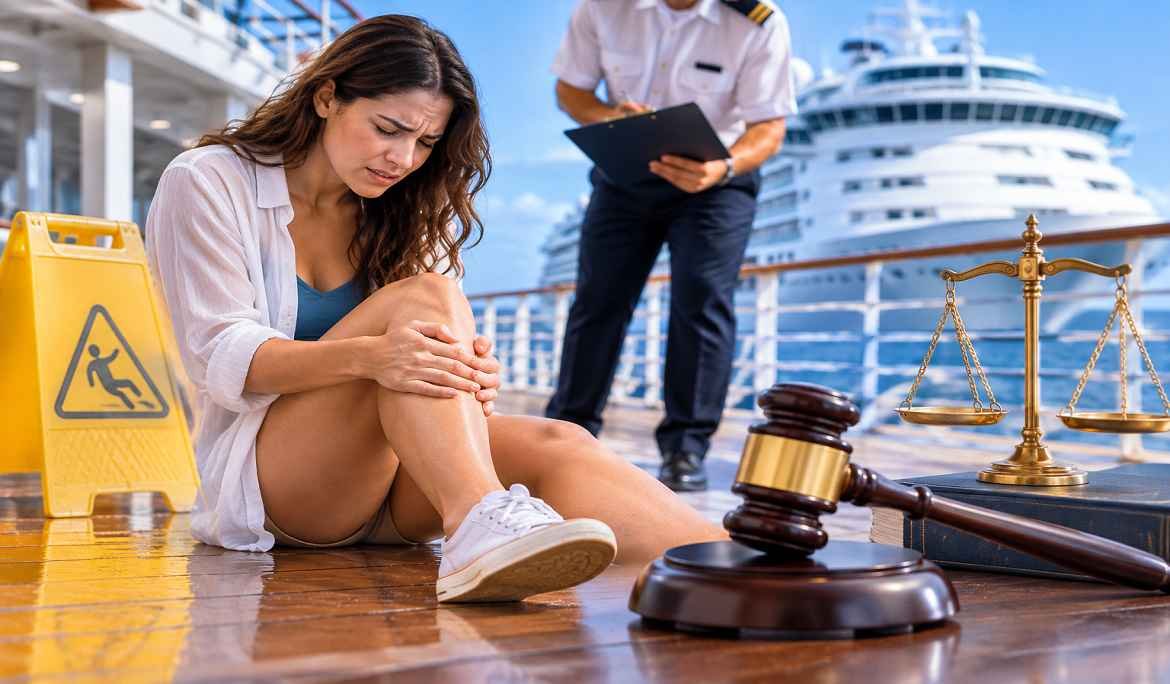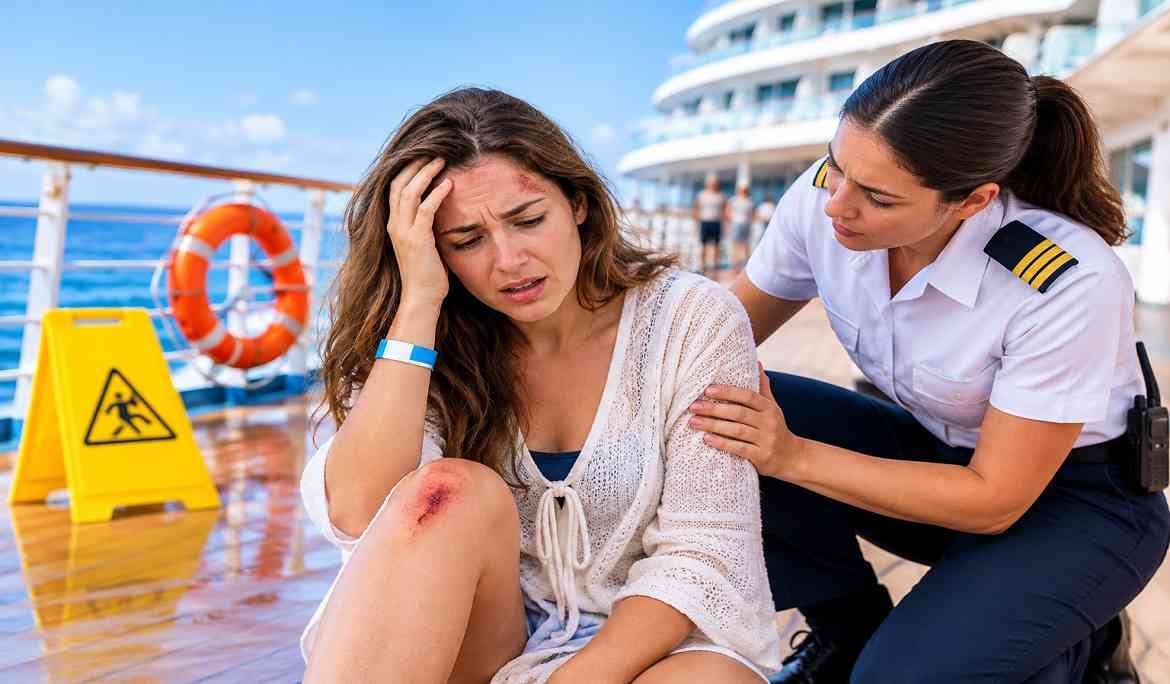
A cruise vacation should be relaxing and full of memorable moments, but an unexpected accident can quickly turn a pleasant journey into a stressful situation. Whether you slip and fall, get injured during an onboard activity, or are involved in an accident during a shore excursion, knowing how to respond is essential. Taking the right steps immediately after an incident can help protect your health, preserve important evidence, and safeguard your legal rights.
If you are wondering, ” What should I do after a cruise ship accident?” Knowing the right steps can make a big difference in how your situation is handled. Here are key steps to consider after an accident at sea.
1. Seek Immediate Medical Attention
Your health should always be your first priority after a cruise ship accident. Even if your injuries appear minor, seek medical assistance from the ship’s medical staff as soon as possible. Some injuries, including concussions, internal injuries, and soft tissue damage, may not produce noticeable symptoms immediately.
Explain how the accident happened and describe every symptom you are experiencing. Request a medical examination and ensure your treatment is documented. If your condition needs additional attention, ask about arrangements for treatment at the next port or after you return home.
Don’t dismiss discomfort or delay treatment just because you are on vacation. Medical documentation can also become important evidence if you later pursue a personal injury claim.
2. Report the Accident to Cruise Ship Authorities
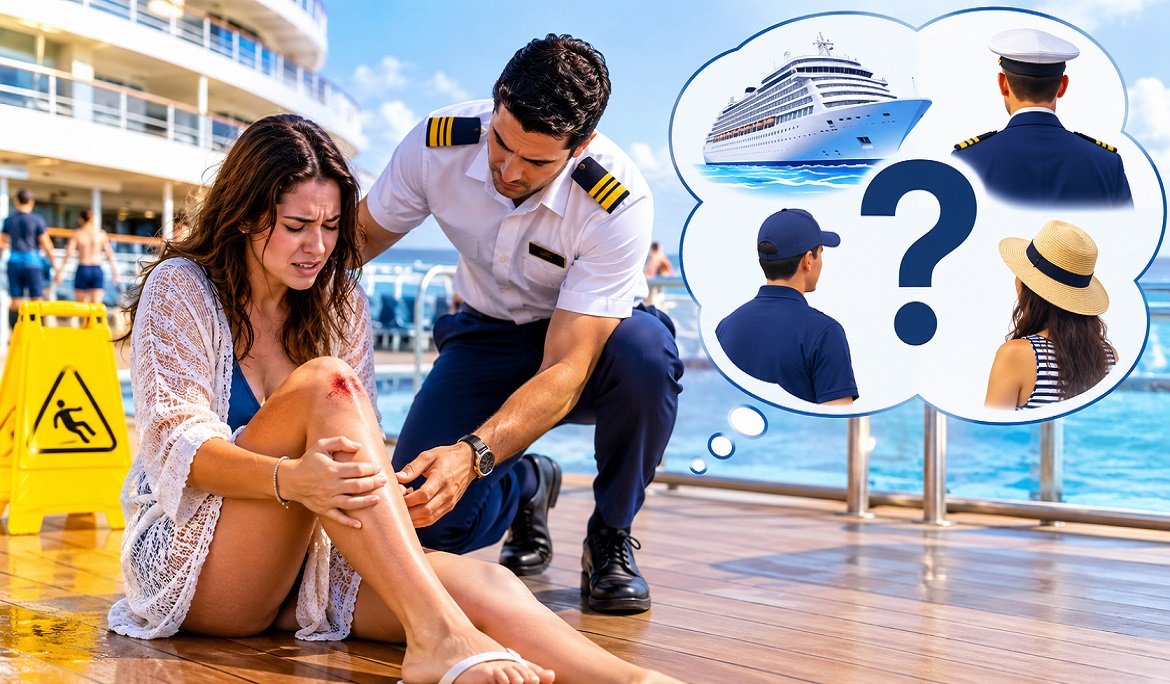
After you receive medical attention, report the incident to the appropriate cruise ship personnel. Depending on the circumstances, this may include the ship’s security team, guest services, or onboard management.
Provide a clear and factual account of what happened, including the location, approximate time, and circumstances surrounding the accident. Ask the cruise line to prepare an official incident report and request a copy for your records, if available.
Make sure you retain any correspondence or written acknowledgment of your complaint. Reporting the incident promptly creates an official record and may help establish when and where the accident occurred.
3. Document the Accident and Collect Evidence
Evidence can play a crucial role in establishing what happened and determining whether negligence contributed to your injuries. If you are physically able, collect as much information as possible without putting yourself at further risk.
Consider gathering:
- Photographs and videos: Capture the accident location, hazardous conditions, damaged equipment, wet floors, inadequate warning signs, or other relevant details.
- Witness information: Collect the names and contact details of passengers or crew members who witnessed the incident.
- Medical records: Keep copies of examination reports, prescriptions, diagnoses, and treatment recommendations.
- Written communication: Save emails, incident reports, and messages exchanged with cruise ship representatives.
For example, if you slipped on an unattended wet floor, photographs showing the absence of warning signs could help demonstrate the conditions that contributed to your accident.
4. Keep Records of Your Expenses and Financial Losses
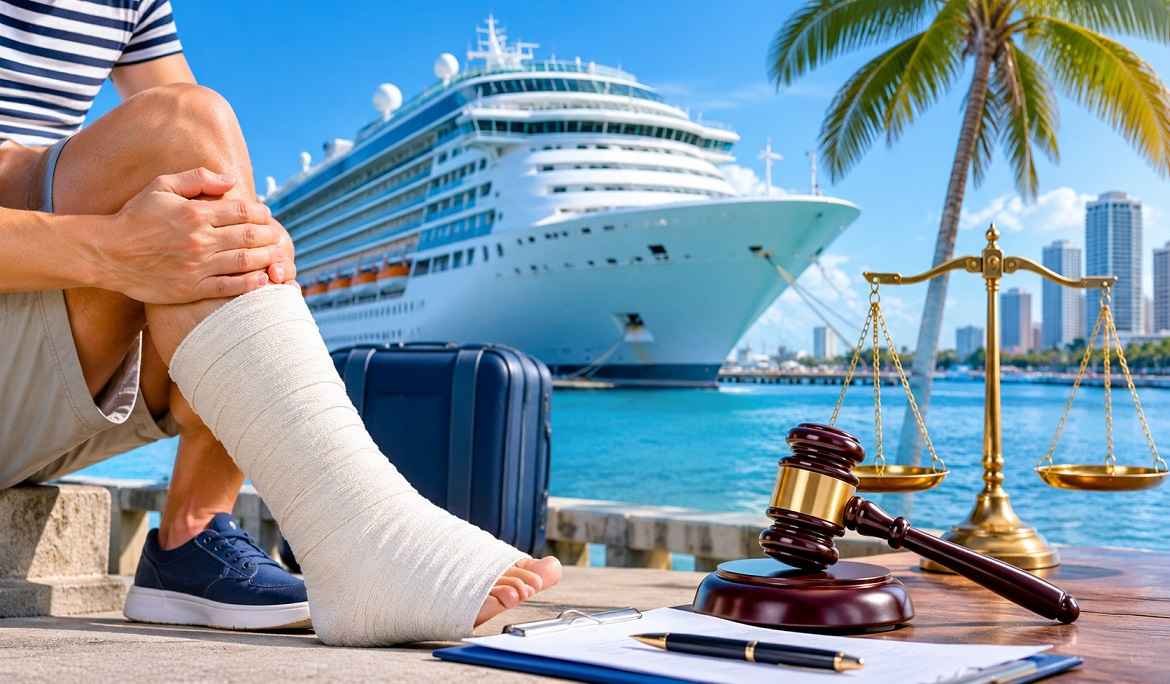
An accident can create financial difficulties long after your cruise vacation ends. Medical treatment, transportation, rehabilitation, and missed work can result in unexpected expenses.
Maintain a dedicated record of all accident-related costs. Save medical bills, pharmacy receipts, travel expenses, and documentation of lost income. If your injuries prevent you from returning to work, obtain relevant records from your employer or healthcare provider.
You should also document how your injuries affect your everyday activities, including your ability to work, exercise, travel, or perform household responsibilities. These details may help establish the accident’s broader impact when evaluating potential compensation.
5. Consult an Experienced Cruise Ship Accident Attorney
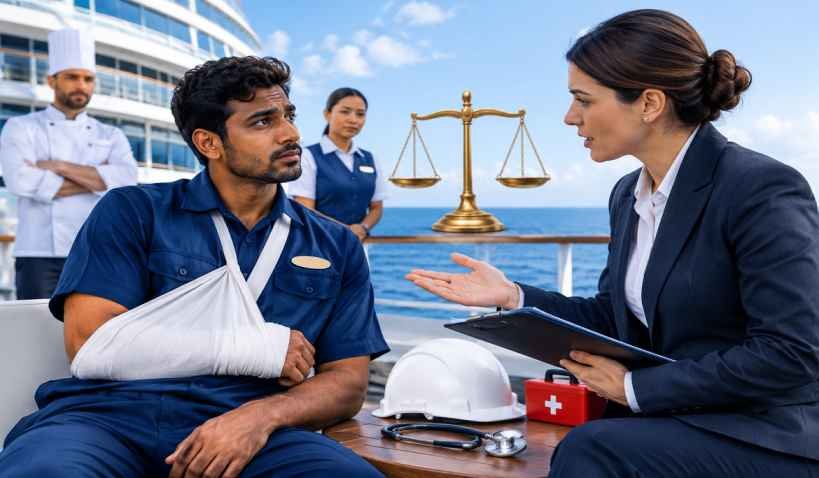
One of the most important decisions you can make after an accident is consulting an attorney familiar with maritime personal injury law. Cruise ship injury claims often involve strict procedural requirements, contractual limitations, and complex questions about jurisdiction.
An experienced attorney can review your accident circumstances, identify potentially responsible parties, evaluate available evidence, and explain your legal options. Legal representation can also help you understand applicable filing deadlines and communicate with cruise line representatives or insurance companies.
If you are still asking, “What should I do after a cruise ship accident?” Obtaining legal guidance early can help you avoid mistakes that might affect your claim.
Protect Your Health and Legal Rights After a Cruise Ship Accident
Recovering from an unexpected accident at sea can be physically, emotionally, and financially challenging. Seeking medical attention, reporting the incident, preserving evidence, and keeping detailed financial records are key steps to protect your interests.
At The Michael Brady Lynch Firm, understanding your legal options is an important part of moving forward after a cruise-related injury. If you have been injured aboard a cruise ship or during a cruise-related activity, consider speaking with an experienced maritime injury attorney to understand your rights and potential avenues for compensation.
Remember, what should I do after a cruise ship accident? Start by prioritizing your health, documenting the incident, and seeking qualified legal guidance before making decisions about your claim.