A cruise vacation should be a relaxing experience filled with entertainment, sightseeing, and time away from everyday responsibilities. However, accidents aboard cruise ships can quickly turn a dream vacation into a stressful experience. From slip-and-fall accidents and unsafe walkways to food poisoning and inadequate medical care, passengers may suffer serious injuries because of a cruise line’s negligence.
One common question passengers have after an accident is: Can you sue a cruise line for an injury? The answer is yes, under certain circumstances. Cruise lines have a legal responsibility to take reasonable steps to protect passengers from foreseeable dangers. When they fail to meet this responsibility and someone gets hurt, they may be held financially accountable.
Understanding how cruise injury claims work can help passengers make informed decisions about protecting their rights.
When Can You Sue a Cruise Line for an Injury?
Passengers may have grounds to pursue legal action when their injuries result from a cruise line’s negligence. Under general maritime law, cruise operators owe passengers a duty to exercise reasonable care under the circumstances. This includes maintaining reasonably safe conditions, addressing known hazards, and providing appropriate warnings about potential dangers.
Examples of situations that may lead to a cruise injury claim include:
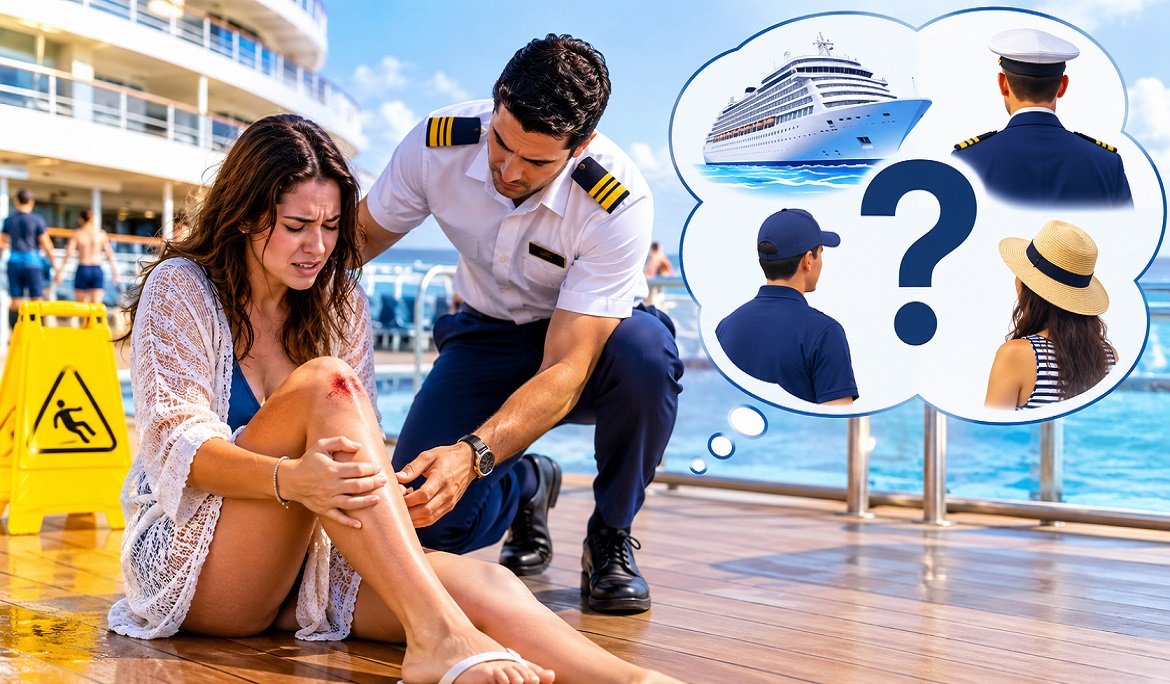
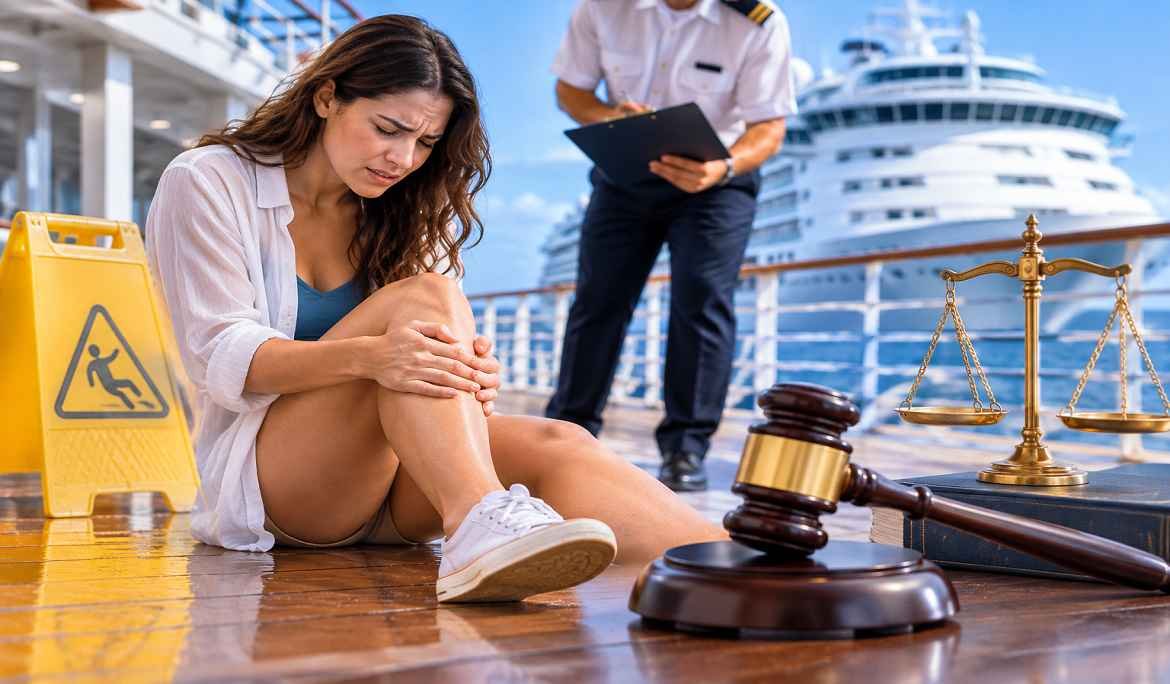
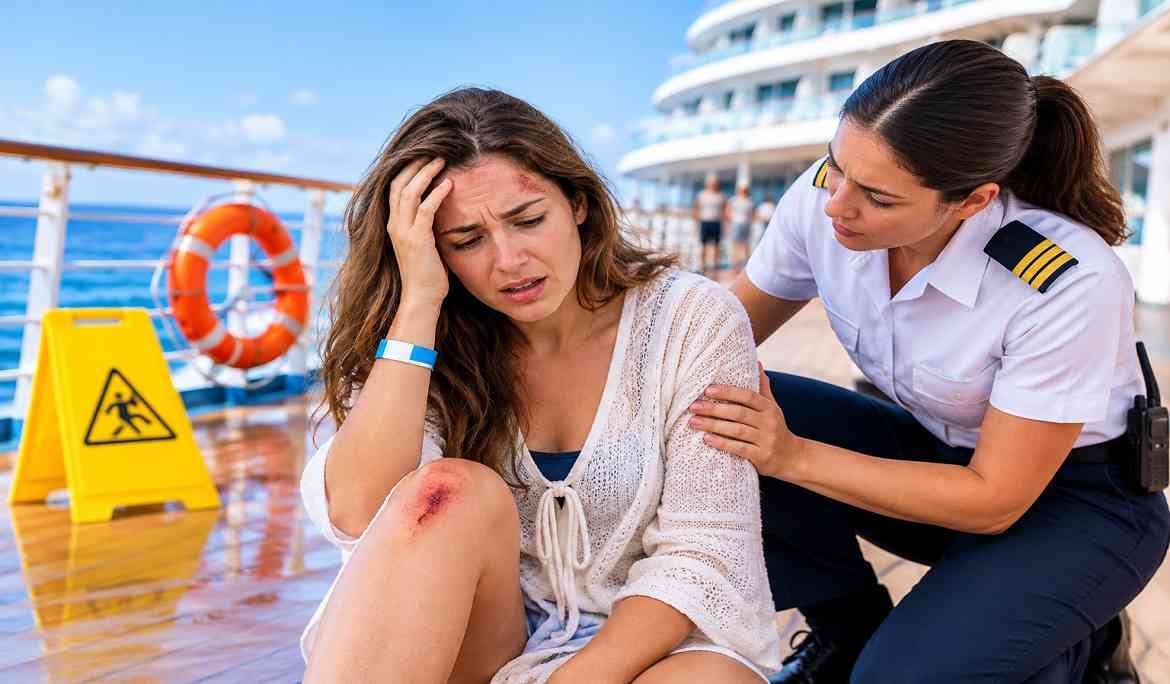
- Slip-and-fall accidents: Wet decks, spilled drinks, improperly cleaned floors, and slippery stairways can cause passengers to fall.
- Inadequate maintenance: Broken railings, defective elevators, damaged flooring, and poorly maintained recreational equipment may create dangerous conditions.
- Swimming pool accidents: Insufficient safety measures, defective pool equipment, or a failure to address known hazards can contribute to serious injuries.
- Food poisoning: Improper food storage, preparation, or sanitation practices may expose passengers to foodborne illnesses.
- Negligent security: Inadequate security measures may leave passengers vulnerable to foreseeable assaults or other criminal incidents.
- Inadequate medical care: Delayed treatment or negligent medical services may worsen an injury or illness.
However, an accident alone does not automatically establish liability. Passengers generally must show that the cruise line owed them a duty of care, breached that duty, and that the breach caused their injuries and resulting damages.
What Must You Prove in a Cruise Ship Injury Lawsuit?
Establishing liability in a cruise ship accident can be complicated. Unlike ordinary land-based personal injury claims, these cases often involve federal maritime law, contractual provisions, and specific jurisdictional requirements.
One important consideration is whether the cruise line had actual or constructive notice of the dangerous condition that caused the injury. Actual notice means the company knew about the hazard, while constructive notice generally means the condition existed long enough that the company should have discovered it through reasonable care.
For example, if a passenger slips on a wet floor that crew members knew about but failed to clean or mark with warning signs, this information may help establish negligence.
Evidence is essential when building a claim. Relevant documentation may include:
- Photographs or videos of the accident location.
- Medical records and treatment expenses.
- Statements and contact information from witnesses.
- Incident reports submitted to the cruise line.
- Records of previous complaints about similar hazards.
- Receipts and documentation of lost income.
Preserving this evidence can help establish what happened, demonstrate the extent of the injuries, and support a passenger’s demand for compensation.
What Compensation Can Injured Cruise Passengers Recover?
Depending on the circumstances and applicable law, injured passengers may be entitled to pursue compensation for several categories of damages.
These may include:
Medical expenses: Compensation may cover emergency treatment, hospitalization, medication, rehabilitation, follow-up appointments, and future medical care related to the injury.
Lost wages: Passengers who cannot return to work because of their injuries may seek compensation for lost earnings. In certain cases, diminished future earning capacity may also be considered.
Pain and suffering: Serious injuries can cause physical discomfort, emotional distress, and reduced quality of life. These effects may be considered when calculating damages.
Additional financial losses: Depending on the circumstances, passengers may also seek reimbursement for reasonable out-of-pocket expenses associated with the accident and recovery.
The amount of compensation depends on the severity of the injury, available evidence, the cruise line’s liability, and the applicable legal requirements.
Protect Your Rights After a Cruise Ship Accident
So, can you sue a cruise line for an injury? Yes, if the circumstances support a legally valid claim. Cruise companies are not automatically responsible for every accident aboard their vessels, but they may be liable when their negligence contributes to a passenger’s injuries.
If you have been injured during a cruise vacation, documenting the incident, seeking appropriate medical attention, and understanding your legal options are important first steps.
The Michael Brady Lynch Firm can help injured passengers understand their rights and explore potential legal options following a cruise ship accident. Taking timely action may make a meaningful difference in protecting your ability to pursue compensation.