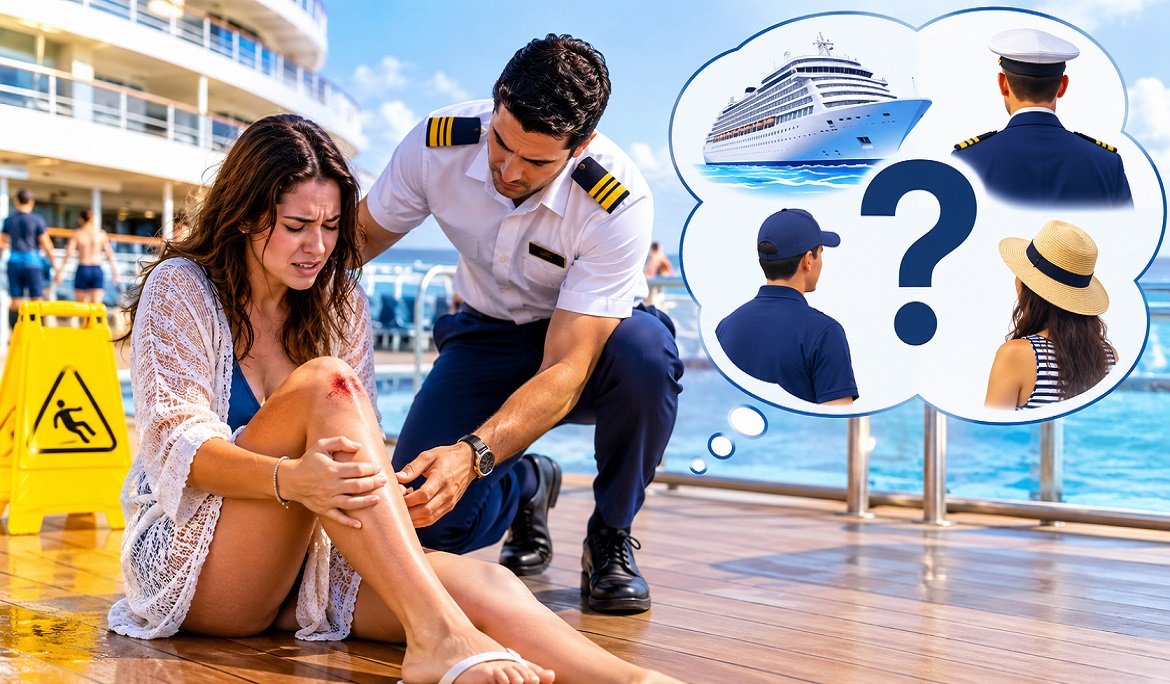
Suffering an injury during a cruise vacation can turn an exciting trip into a stressful experience. Whether the injury results from unsafe walkways, negligent crew members, and defective equipment, or inadequate safety measures, passengers may have legal options to seek compensation. However, knowing where to file a claim is just as important as understanding who may be responsible.
Florida is a significant jurisdiction for cruise ship injury claims because many major cruise lines operate from ports such as Miami, Fort Lauderdale, and Port Canaveral. However, an injured passenger cannot automatically file a lawsuit in any Florida court. The appropriate location depends on the cruise line’s passenger ticket contract, the circumstances of the accident, and applicable maritime law.
Where Can I File a Cruise Ship Injury Lawsuit in Florida?
The answer often depends on the cruise line’s contractual requirements. Many cruise companies include forum-selection clauses in their passenger ticket contracts. These clauses specify the court or jurisdiction where passengers must bring legal claims against the company.
For example, some major cruise lines require passengers to file injury lawsuits in federal court in Miami, Florida. Others may designate a different location, depending on their contractual terms. Therefore, passengers should carefully review their cruise ticket contract before deciding where to initiate legal proceedings.
If you are searching for “Where Can I File a Cruise Ship Injury Lawsuit in Florida?”, it is important to distinguish between where the accident happened and the court with jurisdiction over the legal dispute. An accident occurring in international waters does not necessarily mean that the passenger must file a lawsuit outside the United States.
Understanding Forum-Selection Clauses in Cruise Tickets
Cruise tickets are more than travel documents. They often contain important legal provisions that affect passengers’ rights following an accident.
A forum-selection clause identifies the specific court where disputes must be resolved. Cruise lines frequently use these provisions to establish a consistent location for handling passenger injury claims.
Passengers should look for sections titled legal disputes, claims, jurisdiction, or venue in their ticket contracts. These provisions may identify a particular federal court and explain the applicable filing requirements.
Although these clauses are generally enforceable under maritime law, you may be able to challenge them in limited circumstances. An experienced maritime injury attorney can review the language and determine whether the designated venue is legally valid.
Can You File a Cruise Ship Injury Lawsuit in Federal Court in Miami?
Yes. The U.S. District Court for the Southern District of Florida, particularly its Miami Division, is a common venue for cruise passenger injury litigation.
Several cruise companies have their principal operations or designated legal venues in South Florida. As a result, their passenger contracts may require injury lawsuits to be filed in this federal court.
Federal courts can hear maritime injury cases under federal admiralty jurisdiction and other applicable jurisdictional rules. However, the correct court depends on the specific cruise line, ticket provisions, and legal circumstances.
Passengers should not assume that every cruise-related injury case belongs in Miami. Reviewing the contract and determining the appropriate legal basis for the claim are essential steps before filing.
Important Deadlines for Filing a Cruise Injury Claim
Time is particularly important in maritime injury cases. Under federal maritime law, the general statute of limitations for certain personal injury claims arising from maritime activity is three years. However, cruise passenger contracts frequently impose shorter deadlines.
Under the Cruise Vessel Safety and Security Act’s relevant statutory framework, passenger ticket contracts may include provisions requiring written notice of an injury claim within six months and filing a lawsuit within one year, subject to applicable legal requirements and exceptions.
Missing a contractual deadline can seriously affect your ability to recover compensation. Passengers should therefore avoid waiting until the end of their vacation or until all medical treatment is complete before seeking legal advice.
What Should You Do Before Filing a Lawsuit?
Taking the right steps after an accident can help protect your legal interests and strengthen a potential claim when you consider where Can I File a Cruise Ship Injury Lawsuit in Florida?
- Report the incident: Notify the ship’s medical staff or appropriate crew members and ensure the accident is documented.
- Collect evidence: Photograph the accident location, visible injuries, hazardous conditions, and any relevant equipment.
- Obtain medical records: Keep copies of medical reports, treatment bills, prescriptions, and follow-up recommendations.
- Preserve travel documents: Retain your cruise ticket, booking confirmation, passenger contract, and incident reports.
- Avoid signing unnecessary documents: Do not agree to settlements or sign liability-related documents without understanding their implications.
- Consult a maritime attorney: Seek legal guidance promptly to identify the correct filing location and applicable deadlines.
These steps can help establish what happened, document the extent of your injuries, and preserve important evidence.
Speak With a Florida Cruise Ship Injury Attorney
If you or someone you love has been injured aboard a cruise ship, understanding your filing options is an important first step. The right court depends on the cruise line’s ticket contract, the circumstances of the injury, and applicable maritime law.
Before deciding where to file a cruise ship injury lawsuit in Florida, have a qualified maritime injury attorney review your documents. The Michael Brady Lynch Firm can help you understand the relevant legal requirements, evaluate your potential claim, and determine the next steps toward pursuing compensation.