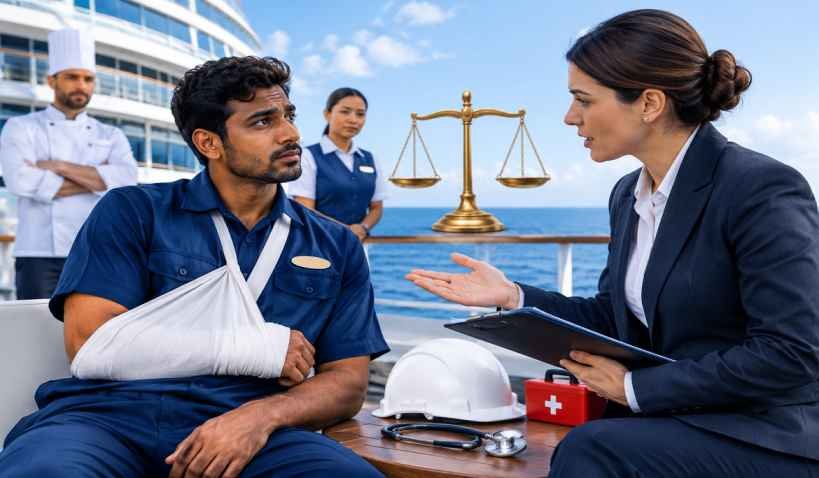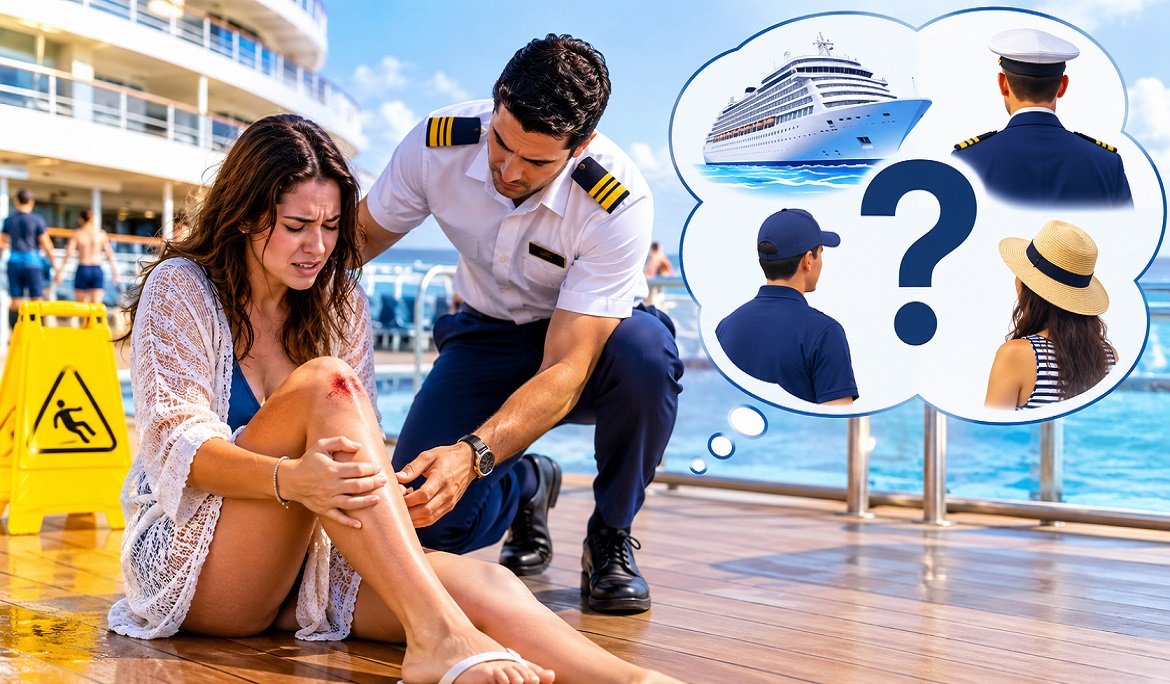
Working aboard a cruise ship can be an exciting opportunity, but it also comes with significant occupational risks. Crew members work long hours in demanding environments, often performing physically challenging tasks in kitchens, engine rooms, housekeeping departments, entertainment areas, and on open decks. Accidents, unsafe working conditions, and inadequate safety procedures can lead to serious injuries that affect a worker’s health, income, and future career.
Unlike passengers, cruise ship crew members may have specific legal protections under maritime laws. Understanding these protections is essential when an injury occurs at sea. If you are wondering what rights do injured cruise ship crew members have? Knowing the applicable laws and available legal remedies can help you make informed decisions about your recovery and financial future.
Understanding Maritime Laws That Protect Cruise Ship Crew Members
Cruise ship employees are generally covered by maritime laws that address workplace injuries occurring aboard vessels. One of the most important legal protections is the Jones Act, which allows qualifying seamen to pursue compensation from their employers when negligence contributes to an injury.
Under the Jones Act, an injured seaman may seek damages if an employer’s failure to provide a reasonably safe working environment contributed to the accident. This can include inadequate training, defective equipment, unsafe work procedures, or insufficient supervision.
Additionally, general maritime law provides other protections, including maintenance and cure. These rights may apply even when an employer was not negligent, making them particularly important for injured crew members seeking financial and medical assistance.
The Right to Maintenance and Cure Benefits
One of the fundamental protections available to qualifying injured seamen is maintenance and cure. These benefits are generally available regardless of who caused the injury, as long as the illness or injury occurred while the seaman was in the service of the vessel.
Maintenance refers to reasonable living expenses while an injured crew member recovers. This may include basic costs such as accommodation and food. Cure covers reasonable and necessary medical treatment until the individual reaches maximum medical improvement.
Cruise ship employers must provide these benefits when applicable. Unreasonable delays, wrongful denials, or premature termination of benefits may create additional legal claims under maritime law.
The Right to Seek Compensation Under the Jones Act
A common question among injured maritime workers is: what rights do injured cruise ship crew members have? The Jones Act provides an important answer by allowing eligible seamen to pursue compensation when employer negligence causes or contributes to their injuries.
Examples of potentially negligent conduct include:
- Requiring employees to work with poorly maintained machinery.
- Failing to provide appropriate safety equipment.
- Ignoring known workplace hazards.
- Providing inadequate safety training.
- Requiring crew members to perform unsafe duties.
Depending on the circumstances, compensation may cover medical expenses, lost wages, reduced future earning capacity, and pain and suffering. Each claim depends on the available evidence, the nature of the injury, and the applicable legal requirements.
The Right to Work on a Seaworthy Vessel
Cruise ship owners and operators must provide a seaworthy vessel. This means the ship, its equipment, and its crew must be reasonably fit for their intended purposes.
An unseaworthy condition may involve defective machinery, slippery flooring, malfunctioning elevators, inadequate safety equipment, or insufficiently trained personnel.
If an unsafe condition contributes to a crew member’s injury, the injured worker may have a claim under the general maritime doctrine of unseaworthiness. This legal protection is separate from a Jones Act negligence claim, although both may arise from the same accident.
The Right to Medical Treatment and Injury Reporting
Injured crew members should receive appropriate medical attention after an accident or workplace injury. Cruise ship employers generally have procedures for reporting incidents and arranging medical evaluations.
Employees should report injuries as soon as possible, request copies of medical records, and retain documentation related to treatment recommendations and expenses.
Also document the circumstances surrounding an accident. Photographs, witness information, incident reports, and written communications can help establish what happened and whether unsafe working conditions contributed to the injury.
Crew members should avoid signing documents they do not understand, especially when they involve medical authorizations, settlements, or statements about responsibility.
Protecting Your Rights After a Cruise Ship Injury
Understanding what rights do injured cruise ship crew members have? It is an important first step toward protecting your health, livelihood, and legal interests. Maritime laws may provide access to medical treatment, maintenance and cure benefits, and compensation for injuries caused by employer negligence or unseaworthy conditions.
However, pursuing a claim can be complicated, particularly when cruise lines operate internationally, and employment agreements involve different jurisdictions.
The Michael Brady Lynch Firm helps injured individuals understand their legal options and pursue appropriate maritime injury claims. If you were injured while working aboard a cruise ship, experienced legal guidance can help you understand your rights, evaluate your potential claim, and determine your next steps toward obtaining compensation.